

NAPLES, FL · GAS HEATER INSTALLATION
Gas pool heater installation, sized to the whole run
The most common reason a brand new heater never quite gets the pool warm is not the heater. It is the gas line feeding it, and it was undersized before the unit ever arrived.
In short
What this work actually involves
Gas pool heater installation covers selecting, siting and connecting a natural gas or propane pool heater, including verifying that the gas supply can actually feed it. Splash Pools LLC is a Naples, Florida pool contractor owned by Clayton Waggoner, serving Naples, Collier County, Marco Island, Bonita Springs and Estero.
Part one
Why does a brand new gas heater underperform?
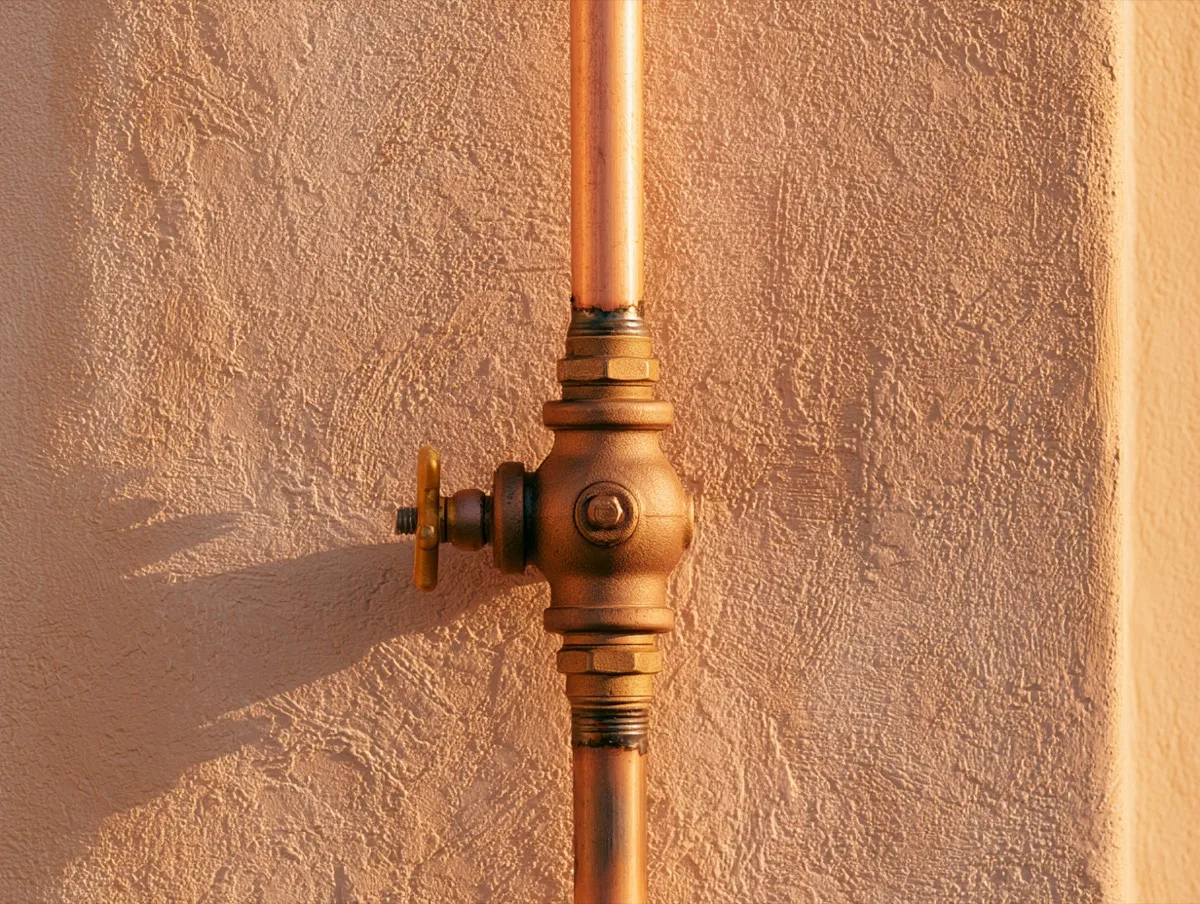
Because the supply line cannot deliver what the unit demands. A heater is rated at an input it only reaches if the gas run can carry it, and an undersized or long run starves it. The symptom is a heater that lights, runs, and never quite reaches temperature, which owners reasonably blame on the heater itself.
The check that matters is the whole run from the meter or tank to the unit, not the connection at the heater. Length, diameter, elevation change and whatever else is drawing on the same supply all count.
That last one catches people out. Adding a pool heater to a line already feeding a range, a dryer and a standby generator is a different calculation from adding it to a dedicated run.
If a heater is already installed and has never performed, this is the first thing to check before condemning the unit. There is a real difference between a heater that is broken and a heater that was starved from day one. A unit that will not fire, cuts out mid cycle or has lost ground it used to hold is a diagnosis job, and pool heater repair is where that happens. A unit that has run flat out since the day it was installed and never satisfied is usually a supply job, and this page is about making sure yours never becomes one.
Part two
How the gas run is checked before a unit is ordered
- 12BTU per square foot, per degree of rise, the sizing rule a chart starts from
- 8.34BTU to lift one gallon of water one degree, why warm-up time is physics, not patience
- 4appliances can share one gas line, range, dryer, generator, heater, and each shrinks what reaches the pad
The check runs from the meter or the tank to the heater pad, not from the last tee. Total length, pipe diameter, elevation change and every appliance sharing the line all go into it, each converted to demand against what the pipe can deliver. Fuel gas pipe sizing is a code calculation with published tables, not a guess.
The check starts at the meter or the tank and ends at the heater pad. It does not start at the nearest tee, because the pipe upstream of that tee has to carry the new load too. Total run length, pipe diameter and elevation change each shave capacity off what arrives at the far end, and a pool heater is usually the largest gas appliance on the property by a wide margin, so there is not much room to shave.
Then comes everything sharing the line. A Naples home with gas often has a range, a dryer, sometimes a tankless water heater, and increasingly a standby generator, which is the one people forget. Every one of those has a demand, and the sizing method treats them as if they could all run at once, because on a cool January evening with the spa called for, dinner cooking and the generator exercising, they can.
This is also why a heater on a marginal line can seem fine for months. Install it in April, when nothing else is drawing hard and the pool only needs a nudge, and it appears to work. The first cold snap of the season, with the whole household drawing at once and the pool asking for everything the unit has, is when the starvation shows. By then the installer is long gone and the heater takes the blame.
None of this is opinion. Chapter 4 of the 2023 Florida Building Code, Fuel Gas requires gas piping sized to meet the maximum demand of every appliance it serves, at the supply pressure each appliance needs, and it publishes the pipe capacity tables the calculation runs on. Sizing a run is a lookup against those tables, not a judgment call, which is why two careful installers should reach the same answer for the same house.
Owners sometimes ask for the one right pipe size for a given heater, usually after reading a figure online. There is not one. The same unit can need different pipe on a short dedicated run than on a long shared one, and the whole point of the tables is that run length and load decide the size, not the model number on the box.
So can a heater go on your existing gas supply? Sometimes, genuinely. Plenty of Naples homes have a line with capacity to spare, and on those the connection is the easy part of the job. The honest answer is that nobody knows until the run is measured and the loads are added up, and that arithmetic happens before a unit is ordered, never after it is installed.
Part three
Natural gas or propane in Naples?
Usually decided by where you live rather than preference. Natural gas is available in Lely Resort, Fiddler's Creek and much of the developed corridor. Out in Golden Gate Estates it is propane, which means a tank, a delivery relationship, and different sizing, because the two fuels do not behave identically.
Where you live usually settles the question before preference gets a vote. The utility corridor through Lely Resort, Fiddler's Creek and much of developed Naples has natural gas at the street. Out in Golden Gate Estates and east of the corridor it is propane, which means a tank on your property and a delivery relationship rather than a meter.
Propane carries more energy per unit volume than natural gas, so orifices and line sizing differ. A heater configured for one and fed the other will not run correctly, and that is not a casual field adjustment.
On propane, the tank is the decision that deserves the most thought. A pool heater is a large draw, and a tank that was sized for a range and a generator was never sized with a heater in mind. Add one to a small shared tank and you end up managing deliveries around how much you swim, which is a poor way to enjoy a heated pool. Sometimes the right answer is a larger tank, sometimes a second one, and sometimes a dedicated line so the heater is not competing with the house.
If neither fuel is straightforward at your property, a heat pump is often the better answer here, because Naples winter air stays warm enough for one to keep producing. See heat pump installation for how that comparison actually plays out.
Part four
How is a pool heater sized correctly?
To the pool volume, the surface area, whether it is screened, and how fast you want recovery. Surface area drives heat loss more than volume does, so a wide shallow pool loses more than a deep narrow one holding the same gallons. A spa on the same system changes the calculation again.
Oversizing is not automatically the safe choice. A heater far larger than the pool cycles more, can be harder on the equipment, and costs more both to install and to feed.
Undersizing is the more common error and it presents as a heater that runs constantly and never satisfies, which is what most owners are describing when they say the heater is not working.
Manufacturers size from the water's surface, not its volume. Hayward's own heater guidance recommends units by pool surface area, and that is the honest basis, because the surface is where a Naples pool sheds its heat on a breezy winter night. Screening changes the loss, the starting temperature changes the climb, and how fast you want the water warm decides how much unit the same pool needs.
Where there is a spa, the sequence matters more than the arithmetic. Decide the spa recovery you actually want, an evening soak ready in half an hour, say. Size the unit to deliver that recovery. Confirm the gas run can feed that unit at full input. Then order the heater. Done in that order, every step constrains the next and nothing gets bought twice. Done backwards, starting from a unit on offer and working out whether the line can feed it, is how a well chosen heater ends up on an inadequate run.
The spa usually drives the sizing, because it wants fast recovery to a much higher temperature than the pool will ever ask for. If the spa itself is part of the plan, see spa remodel and addition.
Part five
Permits, code and who does the gas work
A gas pool heater is a permitted appliance installation, and the fuel line that feeds it is sized to the Florida Building Code's fuel gas provisions, which publish the pipe capacity tables the whole run check uses. Anyone quoting an install without asking what else is on your line is skipping the code's own first question.
The permit is not paperwork for its own sake. A heater install touches fuel, and the permit puts a second set of eyes on it: the piping, the connection and the appliance get checked by an inspector whose only interest is that the work is right. If anyone suggests skipping it to save time, they are asking you to carry that risk for them.
It also protects you later. Unpermitted work has a way of surfacing at the worst possible moment, usually during a sale, when a buyer's inspector asks for records the county does not have. A permitted install is a documented install, and that paper trail travels with the house.
In Florida, the fuel line side of a heater install commonly requires its own gas qualification, separate from a pool contracting license. Whoever you hire, ask two questions before anything is scheduled: who will make the fuel connection, and under what qualification. Then check the answer yourself on the DBPR licensee search rather than trusting badges on a website. We would rather you asked us those questions too. An installer with the right answer never minds giving it.
Part six
What installation day involves
Siting against the manufacturer's clearance and venting requirements, a level pad, the fuel connection, and commissioning, which means confirming the unit reaches its rated input on the installed run and then heating the pool while the numbers are watched. Done that way, underperformance is caught on day one instead of being blamed on the unit next winter.
Siting comes first. Every heater ships with an installation manual that sets clearances to walls, windows and air intakes, and venting distances so exhaust goes where it should. Those distances are the manufacturer's numbers, not ours, and safe operation assumes they were followed. A level pad with room to service the unit, and a spot that keeps the shortest sensible gas run, finish the siting conversation.
Then the fuel connection is made, the plumbing is tied in, and the unit is fired. Heater installs also ride along with bigger projects: if the equipment pad is being touched as part of pool remodeling in Naples, installation day simply folds into the project schedule and the trenching for a new run gets done while the yard is already open.
Commissioning is the part we would ask you to look for on any installer's scope, including ours. It means confirming, with the unit running, that it actually reaches its rated input on the run as installed, then heating the pool while the numbers are watched. That is the moment an undersized line reveals itself, on day one, with the installer standing there, rather than next winter with nobody left to blame but the heater.
Not every install is a planned project. Diana B. had exactly the other kind, a heater replacement in Naples Park done on very short notice after hers failed. The sizing questions do not go away on a replacement, they just get answered quickly, because the old unit and its run are sitting right there to be measured.
Size it yourself
What size heater does your pool actually need?
Pick the pool closest to yours. The math is the same surface-area method a sizing chart uses; the on-site visit confirms it against your gas run or panel.
is the practical gas unit for this pool: holding +15 °F takes only 71k BTU/h of output, but the bigger number is what buys a same-day warm-up instead of an overnight one.
First warm-up from cold, estimated at 8.34 BTU per gallon per degree. A heat pump then holds temperature cheaply; gas sprints. Which one fits is what the on-site visit settles, including whether your gas run can feed it.
Straight answers
Questions Naples owners actually ask
 Clayton Waggoner Owner, Splash Pools LLC
 Clayton · Owner
It depends on volume, surface area, whether the pool is screened, the starting temperature and the heater size, so any single figure would be invented. What we can do is size to the recovery time you actually want rather than to a default. Clayton · Owner
Sometimes, and it needs checking rather than assuming. The question is whether the whole run can carry the heater demand alongside everything else on it, including a standby generator if you have one. That check happens before a unit is ordered, not after it is installed. Clayton · Owner
Not a problem, just a different specification. Propane and natural gas need different sizing and configuration, and tank size becomes a real decision because it determines how often you are arranging deliveries. Much of the Estates heats pools on propane happily; the heater just has to be specified for it from the start. Clayton · Owner
It depends on the unit the sizing calls for, the siting, and above all what the gas run needs. A heater on an adequate existing line is one job. A heater that needs a new or upsized run from the meter or the tank is another, and propane can add tank decisions on top. That is why we quote after seeing the property, not from a model number. Call 239-450-5933. Clayton · Owner
That is exactly what automation is for. Heat can be brought on remotely a day or two ahead, so the pool is at temperature on arrival rather than starting to warm up once they get there. If the heater and the automation go in together, we set that up as part of the install. Clayton · Owner
The property address and access arrangements, a phone number for the decision maker, the fuel at the property if known, meaning a natural gas meter, a propane tank or neither, whether there is a spa on the system, and what else runs on gas. A site visit measuring the actual run comes before any unit is proposed. Book at our booking page or call 239-450-5933. Clayton · Owner
Usually yes, but the spa drives the sizing rather than the pool, and that in turn drives what the gas run has to carry. The sequence is to size for the spa recovery you want, confirm the supply can feed it, then choose the unit. Doing it the other way round is how people end up with a well chosen heater on an inadequate line.Talk to Clayton
Send the details, get a call back.
A sentence or two is enough. You get a call back from the person who does the work, not a dispatcher.
Service area
Where we work
Click any marker. What fails is genuinely different from one neighborhood to the next, and the card says which.
Where we work
Naples and Collier County, plus Marco Island, Bonita Springs and Estero. What fails is different in each, and that is what decides the work.
- Port Royal waterfront, architectural review, deck must match the house
- Old Naples pools built in the seventies and eighties, due for everything at once; original skimmers
- Aqualane Shores canal homes, deck movement near the seawall separates coping
- Park Shore Gulf Shore Boulevard salt air hits the tile line first; seasonal vacancy
- The Moorings direct salt air exposure, waterline tile failure
- Coquina Sands seventies and eighties pools; decks poured over uncompacted fill
- Royal Harbor canal homes, high water table hides leaks; coping separation
- Grey Oaks gated architectural review on anything visible from the street; spa additions
- Quail West natural stone decking matched to the house; spa additions
- Pelican Bay empty April to November; automation and heat pumps for year-round swimmers
- Lely Resort natural gas supply; builder decks aging out; year-round pump runtime
- Fiddler's Creek natural gas heater sizing; builder-era paver decks losing their base
- The Vineyards year-round swimming, heat pumps and variable speed payback
- Naples Park mature landscaping into pool plumbing; original skimmers; storm-loaded filters
- Pine Ridge Estates mature landscaping finds underground pool plumbing
- Vanderbilt Beach equipment pads corrode fast; storm season loads filters
- Golden Gate Estates well water iron staining on marcite; propane rather than natural gas
- Isles of Capri canal water table hides leaks; heavy equipment-pad corrosion
- Marco Island barrier island salt air corrodes heaters from the inside out
- Bonita Springs pool decks and patios on Southwest Florida soil
- Estero deck and patio base engineered for local soil
- Ave Maria newer east-county builds, patios and walkways matched to existing hardscape
Ready when you are
Tell us what the pool is doing.
A sentence or two is enough. You get a call back from the person who does the work, not a dispatcher.