
NAPLES, FL · AUTOMATION
Pool automation, for a house that sits empty half the year
Plenty of Park Shore and Pelican Bay sits empty from April to November. Automation is what turns that from a risk into a non-event: the pump, the heater, the lights and the spa run on schedules you can see and change from a phone, and a fault gets noticed the day it happens rather than the day you fly back.
In short
What this work actually involves
Pool automation is a control system that runs pump speeds, heating, lighting, spa mode and valve actuation on a schedule and from a phone. Common systems are Pentair, Jandy and Hayward; we install all three and match the system to the equipment already on your pad. Splash Pools LLC is a Naples, Florida pool contractor owned by Clayton Waggoner, serving Naples, Collier County, Marco Island, Bonita Springs and Estero.
Part one
Why does automation matter more on a seasonal property?

Because the alternative is nobody looking. A pool left on a timer for seven months has no way of telling you the pump has stopped, the heater is cycling or the water level is dropping. Automation turns an unattended pool into one you can check from anywhere, which is how a small fault stays small.
The failure that costs money is rarely dramatic. It is a pump that stopped in June and was not noticed until November, by which point the water is a different problem entirely. We hear a version of that story most autumns: the family flies back, the pool is green, the pump seized months ago and nothing at the house had any way of saying so. Automation plus a serviceable pad is the answer to exactly that. The system tells you the pump has stopped within a day, and a pad that is not corroding makes the failure less likely in the first place.
What the phone actually shows is worth spelling out, because remote control undersells it. You see whether the pump is running and at what speed, the water temperature and the air temperature, what the heater is set to and whether it is currently doing anything, which schedules are active, and on most systems a plain notification when a piece of equipment stops responding. That is not a gadget. That is the difference between guessing about a house from another time zone and knowing.
The alert is only half the loop, so it is worth being clear about the other half. Some things you can put right from the phone: a schedule that drifted, a heater set wrong, spa mode left running. A seized pump or a tripped breaker needs hands at the pad, and that becomes a call to our pool repair service rather than a favor asked of a neighbor, because a neighbor walking out to look at the pad is a kindness with no diagnostic value. Diana B. in Naples Park had a broken heater replaced on very short notice and said the process was explained clearly; automation is what makes sure that call happens in June instead of November.
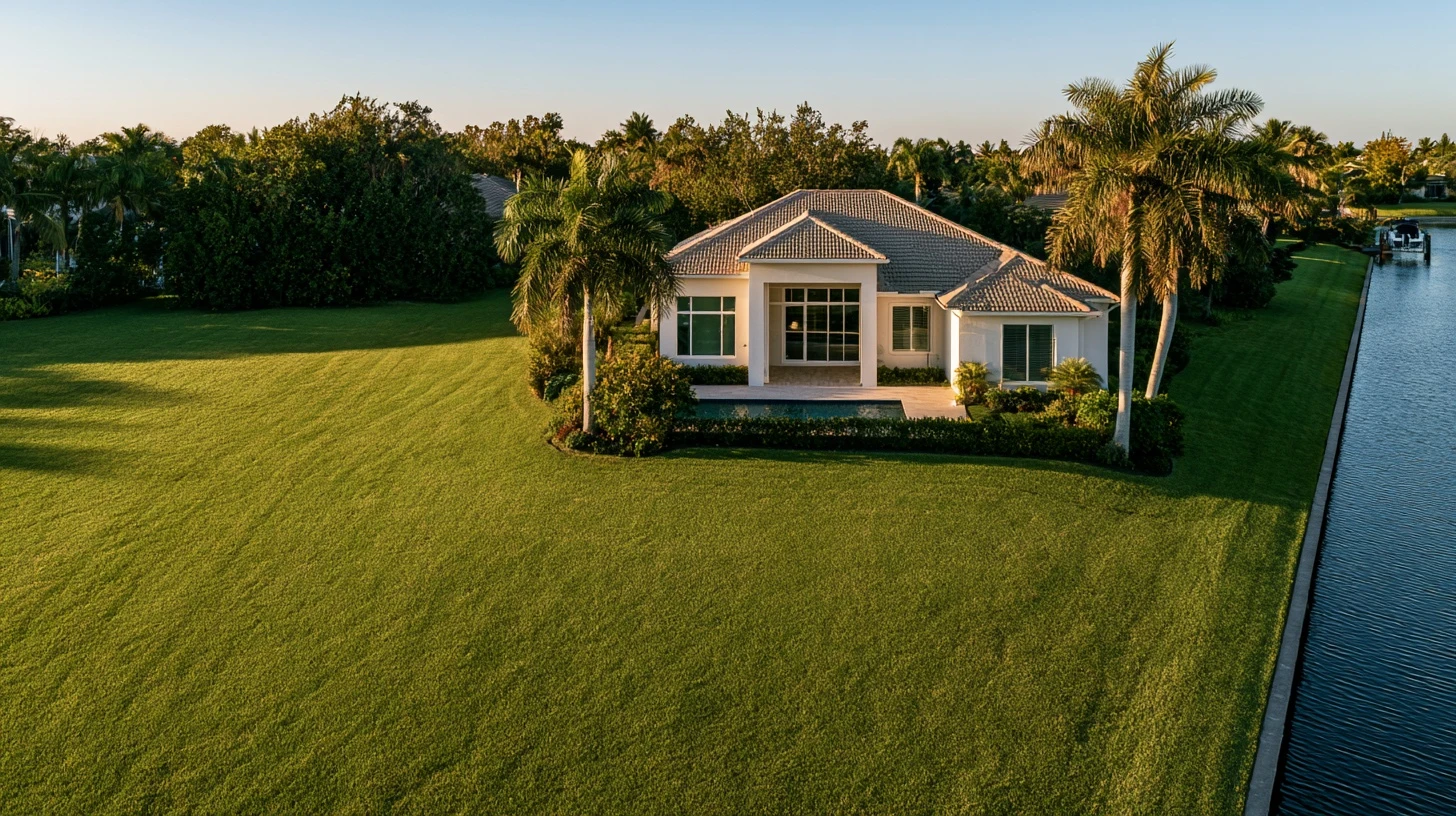
This is also the most seasonal corner of our work. The empty-house months run deepest in Pelican Bay, where a large share of owners head north for the summer, and in communities like the Vineyards, where the house may be watched all season but the equipment pad is not. An unattended pool is not a neglected pool if it can report on itself.
And there is the day you come back. For owners who are here in season and away out of season, automation means arriving to a pool that is already at temperature rather than one starting from cold, because you raised the setpoint from the phone two days out. Paired with gas heater installation that turnaround is quick. Either way, the pool is ready when you are, not three days later.
Part two
What can automation actually control?
Pump speeds and schedules, heater setpoints, spa mode and valve actuation, lighting including color, cleaners, and water features. On a variable speed pump it is also where the running cost saving is realized, because a pump on a real schedule beats one left on a factory default.
Pump scheduling is the piece with the clearest financial return. Different tasks want different speeds, and automation is what makes that happen rather than remaining a good intention. The full energy argument lives on our pump replacement and variable speed upgrade page; the one line version is that a variable speed pump only saves money if something actually varies its speed.
Spa mode is the piece with the clearest lifestyle return. Bringing a spa up from a phone on the way home is the difference between using it and looking at it. On a shared-equipment pool and spa, spa mode is really valve choreography: actuators swing the suction and return valves so the equipment serves the spa alone, the heater chases a different setpoint, and everything swings back when you are done. Automation runs that sequence identically every time.
Valve actuators are the quiet workhorses of the system and the part most owners have never heard of. Anything on the pad that is currently turned by hand, a waterfall, a fountain line, a solar loop, can be actuated and put on a schedule. Water features that only run when someone remembers them tend not to run; on a schedule, they earn their plumbing.
Lighting is often the one owners enjoy most and think about least at quoting stage. Color, scenes and schedules all live in the same app as everything else, and it is far cheaper to run the wiring while the pad is already open than to come back for it later.
Part three
Adding automation to an existing pad
Usually, yes, and retrofit is the normal automation job in Naples, not the exception. The assessment order is fixed: what equipment is on the pad and which brand family it belongs to, whether the electrical supply will support a control panel, and whether a reliable connection can reach the pad. Those three answers decide the system, the scope and the quote.
Almost every automation system we install goes onto a pad that already exists. New construction gets automation as a line item; everyone else adds it later, usually after the first season away or the first surprise waiting at the pad. So retrofit is not the awkward exception here. It is the job itself, and there is a fixed order to assessing one.
First, the equipment. What is on the pad, which brand family it belongs to, and how old it is. Modern variable speed pumps and heaters generally talk to a control system directly; older single speed equipment gets switched through relays, which works fine but controls on and off rather than anything cleverer. Photos of the equipment labels answer most of this before anyone drives out.
Second, the electrical. The control panel typically replaces or sits beside the existing load center at the pad, and the wiring that feeds it has to be up to what it carries. An old mechanical timer box that has been sitting in Naples humidity since the nineties gets retired, not integrated, and this is frequently the moment its corrosion is discovered. Where the panel and wiring are genuinely tired, the conversation becomes a pad conversation, which is covered under the brand question below.
Third, the connection, which gets its own treatment below because it is the constraint people forget. As for what survives the retrofit: most of what you own. A sound pump, a working heater and a good filter all stay. What goes is the layer of clocks and timers that used to approximate a schedule. The result is fewer boxes on the wall, not more.
Part four
Pentair, Jandy or Hayward?
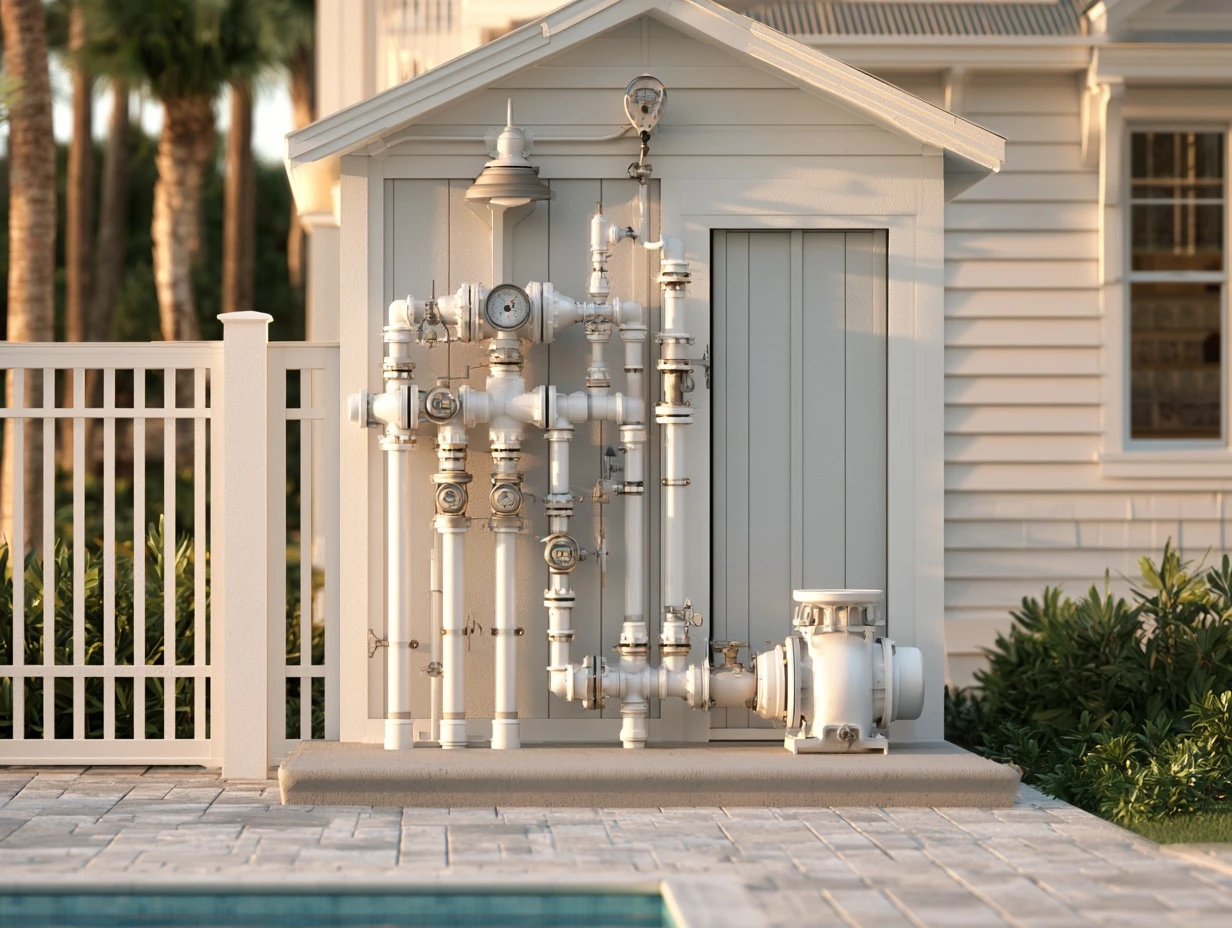
The right answer is usually whichever matches the equipment already on your pad. Mixing brands is possible but adds interfaces and failure points. If the pump and heater are one brand, automation from the same family is generally simpler to install and much simpler to support later.
We install and integrate all three, which is exactly why we do not have a favorite. The honest answer to which brand is best is that the question is framed wrong. The useful question is which family is already on your pad, because matching the automation to the existing equipment keeps the install simpler and, more importantly, keeps support simpler for the next decade.
The mixed pad is where quotes start contradicting each other. A Pentair pump, a Jandy heater and an orphaned timer box a previous owner added can be automated several ways, and each installer tends to anchor on a different piece, which is why three quotes can describe three different systems and all be defensible. The routes differ in how many interfaces end up sitting between you and the equipment, and every interface is a failure point. Where the pad is mixed already, this is worth resolving during an equipment pad rebuild rather than layering another interface onto it.
Each manufacturer documents what its system controls and integrates with, and that documentation is the reference we work from rather than memory. Pentair’s IntelliCenter documentation, for example, covers pumps, heaters, lighting and water features run from one app, plus an upgrade path from its older control systems, and Hayward and Jandy publish equivalents for their own lines. None of that says one family wins. It says stay inside a family where you can.
Connectivity is the practical constraint people forget. The system needs a reliable connection at the pad, and pads are frequently at the far corner of a property behind a wall of block and landscaping. Sometimes the answer is an outdoor access point, sometimes a wired run, and we test signal at the pad during the site visit, because an automation system that drops offline every afternoon is worse than none. It teaches you to ignore it.
Whatever the brand, programming is the part that determines whether it earns its keep. A system installed and left on defaults is a control panel rather than an automation system. Schedules built around how the pool is actually used, freeze protection configured, alerts pointed at the right phones: that is the last day of the install and the most valuable one.
Part five
The two or three cold nights a year
Naples winters bring a handful of nights cold enough to matter to a heat pump and exposed pad plumbing, and they usually arrive while owners are away or asleep. Freeze protection is the automation feature that runs the pump through the cold hours on its own, which is protection nobody has to remember to switch on.
Freeze protection sounds like a joke in Naples until the second week of January. The National Weather Service’s climate records for Fort Myers put the normal January overnight low in the mid 50s on the 1991 to 2020 normals, but the same records show the coldest January on record averaging overnight lows in the low 40s, and a monthly average like that is built out of individual nights colder still. A couple of nights most winters, the pad gets genuinely cold, on the back of a front, overnight, and disproportionately when nobody is home.
The cold matters to specific things. Water moving through pipes resists freezing; water sitting still in an exposed pad line does not. And a heat pump asked to make heat from near-freezing air is working at the very bottom of its range, which is exactly when you least want it running against stopped flow. None of this threatens the pool itself. It threatens the plumbing and equipment above ground, which is the expensive part.
Freeze protection is the automation feature built for exactly this. The system watches air temperature at the pad, and when it falls below a set threshold it runs the filter pump, and anything else flagged for protection, through the cold hours on its own. Hayward’s documentation for its Omni line describes the behavior plainly: the pump comes on below the set air temperature, protected accessories run with it, and none of it can be switched off until the cold passes. The other families have their own versions of the same mode.
The seasonal logic closes itself. The cold snaps land between December and February. A good share of the owners we work for are away for at least part of that window, and the ones who are here are asleep at four in the morning when the low arrives. This is the one job automation does that nobody ever sees it do, and it is worth configuring properly on day one rather than after the first cold morning.
Part six
What drives the cost of an automation install in Naples?
Four things: the system and how many pieces of equipment it controls, the state of the electrical at the pad, whether valve actuators are being added, and what it takes to get a reliable connection out there. None of that can be read from the street, so we quote after seeing the pad. Call 239-450-5933.
The first driver is the system itself and how much it is being asked to control. A pump, a heater and lights is one scope; add a spa split, actuated valves, water features and a salt system and the panel, the relay count and the labour all grow with it.
The second is the electrical at the pad. A tidy, recent load center keeps the job simple. A corroded panel, or wiring that predates the equipment hanging off it, has to be put right first, because a control system is only as reliable as what it is bolted to. The third is actuators: motorized valves are added hardware and added wiring, and whether you need none, one or four depends on how your plumbing is laid out. The fourth is connectivity, which ranges from nothing at all, because the Wi-Fi already reaches, to a wired run across the property.
This is why we do not quote automation over the phone. We look at the pad, test the signal, read the labels and then put a number on the actual job. The consultation is free, and the quote that follows it describes your pad rather than an average one. Call 239-450-5933 or book a consultation.
One more thing worth doing while you compare quotes, whoever you get them from. Florida pool contractors are licensed by the Department of Business and Professional Regulation, and any license can be checked at the DBPR licensee search. Ask us for our number, then look it up, and ask the other quotes for theirs.
Straight answers
Questions Naples owners actually ask
 Clayton Waggoner Owner, Splash Pools LLC
 Clayton · Owner
Usually yes, and retrofits are most of the automation work we do. What decides it is the equipment already on the pad, the electrical supply, and whether a workable connection can reach the equipment. Those three things get checked in a site visit before anything is quoted, so the answer you get is about your pad rather than pools in general. Clayton · Owner
Often, particularly if they are the same brand family. Where the pad is mixed it can still be done, it just adds interfaces, and it is worth deciding whether resolving that during a pad rebuild is the better move. The site visit settles it for your specific equipment rather than in general. Clayton · Owner
That is the main reason owners here install it. Heat, lights, spa and pump schedules can all be seen and adjusted remotely, which means a fault gets noticed in days rather than at the end of the season. If something does need hands at the pad, you call us rather than asking a neighbor to go and look. Clayton · Owner
The systems all keep a physical control panel at the pad or an indoor keypad, so it does not have to be phone-only. It is also common for one family member to hold the app while the person at the house uses the panel. Clayton · Owner
Where it drives a variable speed pump to a real schedule, that is where the saving is. A variable speed pump left on one fixed speed is an expensive single speed pump, and automation is what prevents that. The full argument, and when a pump swap makes sense, lives on our pump replacement page. Clayton · Owner
It depends on the system and how much equipment it controls, the state of the electrical at the pad, whether valve actuators are being added, and what a reliable connection out there takes. None of that can be priced honestly sight unseen, so we look at the pad first and quote after. Call 239-450-5933. Clayton · Owner
The property address and access arrangements, a phone number for whoever makes the decision, and what is currently on the pad: brands and rough age, with photos of the equipment labels being ideal. It also helps to know whether Wi-Fi reaches the pad. We do a site visit before any quote and coordinate directly with owners who are not local. Book a consultation or call 239-450-5933.Talk to Clayton
Send the details, get a call back.
A sentence or two is enough. You get a call back from the person who does the work, not a dispatcher.
Service area
Where we work
Click any marker. What fails is genuinely different from one neighborhood to the next, and the card says which.
Where we work
Naples and Collier County, plus Marco Island, Bonita Springs and Estero. What fails is different in each, and that is what decides the work.
- Port Royal waterfront, architectural review, deck must match the house
- Old Naples pools built in the seventies and eighties, due for everything at once; original skimmers
- Aqualane Shores canal homes, deck movement near the seawall separates coping
- Park Shore Gulf Shore Boulevard salt air hits the tile line first; seasonal vacancy
- The Moorings direct salt air exposure, waterline tile failure
- Coquina Sands seventies and eighties pools; decks poured over uncompacted fill
- Royal Harbor canal homes, high water table hides leaks; coping separation
- Grey Oaks gated architectural review on anything visible from the street; spa additions
- Quail West natural stone decking matched to the house; spa additions
- Pelican Bay empty April to November; automation and heat pumps for year-round swimmers
- Lely Resort natural gas supply; builder decks aging out; year-round pump runtime
- Fiddler's Creek natural gas heater sizing; builder-era paver decks losing their base
- The Vineyards year-round swimming, heat pumps and variable speed payback
- Naples Park mature landscaping into pool plumbing; original skimmers; storm-loaded filters
- Pine Ridge Estates mature landscaping finds underground pool plumbing
- Vanderbilt Beach equipment pads corrode fast; storm season loads filters
- Golden Gate Estates well water iron staining on marcite; propane rather than natural gas
- Isles of Capri canal water table hides leaks; heavy equipment-pad corrosion
- Marco Island barrier island salt air corrodes heaters from the inside out
- Bonita Springs pool decks and patios on Southwest Florida soil
- Estero deck and patio base engineered for local soil
- Ave Maria newer east-county builds, patios and walkways matched to existing hardscape
Related services
Pool pump replacement in Naples, programmed not just installed →Equipment pad rebuilds, so the next repair is a part swap →Pool heat pumps, which genuinely work in this climate →Spa remodels and new attached spas in Naples →From the insights
Why Pool Equipment Fails Faster Near the Water in Southwest Florida →What does a variable speed pump actually change? →Where this comes up most
Sources
Ready when you are
Tell us what the pool is doing.
A sentence or two is enough. You get a call back from the person who does the work, not a dispatcher.